專業(yè)平面設(shè)計與軟件開發(fā)一站式解決方案
在當(dāng)今激烈的市場競爭中,專業(yè)、精美的宣傳物料和高效、穩(wěn)定的軟件系統(tǒng)是企業(yè)形象塑造與業(yè)務(wù)拓展的兩大基石。無論是產(chǎn)品目錄、畫冊、折頁,還是彩頁設(shè)計,都承載著向客戶傳遞品牌價值與產(chǎn)品信息的重任。定制化的軟件開發(fā)則為企業(yè)構(gòu)建了數(shù)字化運營的核心骨架。本文將為您詳細(xì)介紹這些服務(wù)的價值、流程及如何選擇優(yōu)質(zhì)的服務(wù)商。
一、平面設(shè)計:視覺營銷的利器
平面設(shè)計服務(wù)旨在通過視覺語言,將企業(yè)的理念、產(chǎn)品的優(yōu)勢直觀、藝術(shù)地呈現(xiàn)給目標(biāo)受眾,是市場推廣中不可或缺的一環(huán)。
1. 主要服務(wù)項目與價值
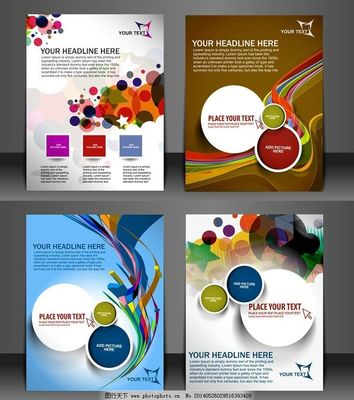
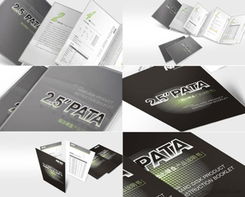
畫冊設(shè)計:作為企業(yè)或產(chǎn)品的“名片書”,系統(tǒng)性地展示品牌故事、實力、產(chǎn)品系列及案例。高品質(zhì)的畫冊能極大提升品牌檔次,在展會、客戶拜訪等場合發(fā)揮關(guān)鍵作用。
產(chǎn)品目錄設(shè)計:側(cè)重于產(chǎn)品的清晰分類、參數(shù)展示和應(yīng)用說明。優(yōu)秀的設(shè)計能引導(dǎo)讀者快速找到所需信息,促進(jìn)采購決策,是B2B銷售中的重要工具。
* 折頁與彩頁設(shè)計:作為靈活、成本相對較低的宣傳品,適用于產(chǎn)品單頁、活動宣傳、門店引流等。設(shè)計需在有限空間內(nèi)突出重點,追求強烈的視覺沖擊力和信息傳達(dá)效率。
2. 關(guān)注要點:價格、廠家與圖片
價格:設(shè)計費用通常根據(jù)設(shè)計復(fù)雜度、頁數(shù)、修改次數(shù)及設(shè)計師資歷而定。從幾百元到數(shù)萬元不等。建議明確需求后獲取詳細(xì)報價,在性價比和質(zhì)量之間找到平衡。
廠家/服務(wù)商選擇:應(yīng)重點考察其設(shè)計案例是否與自身行業(yè)及期望風(fēng)格匹配、團(tuán)隊的專業(yè)性、溝通順暢度以及售后服務(wù)(如源文件提供、后期印刷對接等)。正規(guī)的設(shè)計公司或工作室能提供從策劃、設(shè)計到印刷落地的完整服務(wù)。
* 圖片素材:高清、專業(yè)的圖片是設(shè)計效果的保證。服務(wù)商應(yīng)能提供專業(yè)的商業(yè)圖庫授權(quán)或攝影建議,確保所有素材合法合規(guī),避免版權(quán)風(fēng)險。
3. 通用設(shè)計流程
需求溝通 → 策劃與提案 → 初稿設(shè)計 → 客戶反饋與修改 → 最終定稿 → 輸出印刷文件或電子文件。
二、軟件開發(fā):驅(qū)動業(yè)務(wù)數(shù)字化的引擎
在設(shè)計與宣傳之外,企業(yè)內(nèi)部的流程管理、客戶服務(wù)、數(shù)據(jù)分析等越來越多地依賴于定制化軟件。
1. 軟件開發(fā)的價值
定制化軟件開發(fā)能夠精準(zhǔn)解決企業(yè)的特定問題,如:
- 提升效率:自動化辦公流程,減少人工操作錯誤與重復(fù)勞動。
- 優(yōu)化管理:集成客戶關(guān)系管理(CRM)、企業(yè)資源計劃(ERP)、供應(yīng)鏈管理等。
- 創(chuàng)新服務(wù):開發(fā)電商平臺、移動應(yīng)用、小程序等,直接觸達(dá)終端用戶,創(chuàng)造新的營收渠道。
- 數(shù)據(jù)決策:通過系統(tǒng)收集與分析數(shù)據(jù),為戰(zhàn)略決策提供支持。
2. 如何選擇軟件開發(fā)服務(wù)商
技術(shù)實力與案例:考察其技術(shù)棧(如Java, Python, .NET, 前端框架等)是否成熟,是否有類似行業(yè)的成功開發(fā)案例。
需求理解與溝通能力:優(yōu)秀的開發(fā)團(tuán)隊?wèi)?yīng)能深刻理解您的業(yè)務(wù)需求,并將其轉(zhuǎn)化為清晰的技術(shù)方案。
項目管理與交付:了解其開發(fā)流程(如是否采用敏捷開發(fā))、項目管理制度、以及后期維護(hù)與升級服務(wù)。
價格與合同:軟件開發(fā)成本差異巨大,取決于功能復(fù)雜度、開發(fā)周期、人員投入等。務(wù)必簽訂詳細(xì)的需求規(guī)格說明書(SRS)和合同,明確功能范圍、交付時間、付款節(jié)點和知識產(chǎn)權(quán)歸屬。
3. 通用開發(fā)流程
需求分析 → 方案設(shè)計與報價 → UI/UX設(shè)計 → 程序開發(fā) → 測試與調(diào)試 → 部署上線 → 培訓(xùn)與維護(hù)。
三、整合服務(wù)建議
對于同時需要設(shè)計和軟件開發(fā)的企業(yè),尋找能夠提供整合服務(wù)的供應(yīng)商或建立穩(wěn)定的合作關(guān)系將大有裨益。這能確保線上線下品牌形象的一致性(如官網(wǎng)與畫冊風(fēng)格統(tǒng)一),并讓設(shè)計與開發(fā)團(tuán)隊在項目初期就能協(xié)同工作,避免后續(xù)的對接障礙。
****
“供應(yīng)畫冊設(shè)計、彩頁設(shè)計、折頁設(shè)計、產(chǎn)品目錄設(shè)計”關(guān)乎企業(yè)的“外在形象”,而“軟件開發(fā)”則構(gòu)建了企業(yè)的“內(nèi)在智慧”。在詢價和選擇供應(yīng)商時,切勿僅以價格為唯一標(biāo)準(zhǔn),應(yīng)綜合考察其專業(yè)能力、行業(yè)經(jīng)驗、服務(wù)案例及長期合作潛力。明確自身需求,與服務(wù)商進(jìn)行深入溝通,是獲得滿意成果的第一步。投資于專業(yè)的設(shè)計與開發(fā),本質(zhì)上是在投資企業(yè)的品牌資產(chǎn)與運營效率,其回報將在長期的市場競爭中日益凸顯。
如若轉(zhuǎn)載,請注明出處:http://www.xibeiyouxi.cn/product/42.html
更新時間:2026-06-19 00:40:58